9th Arrondissement Paris: The Complete Luxury Guide
Opera, Grands Boulevards, South Pigalle: discover the 9th arrondissement's grand architecture, vibrant dining scene, and the best luxury apartments in Paris.
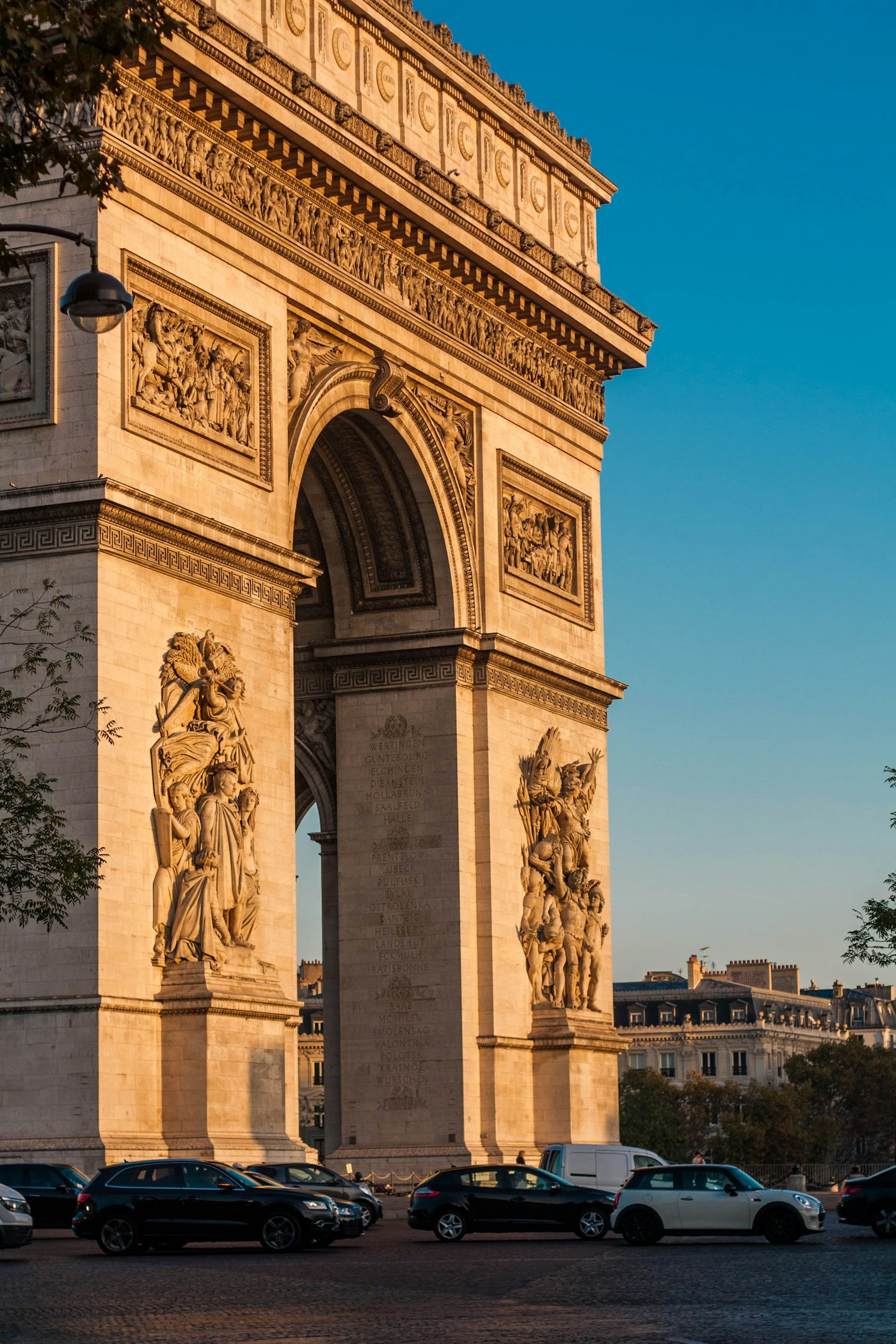
The 9th arrondissement does not ease you in gently. It announces itself with a Haussmann boulevard, a gilded opera house, and a row of department stores whose facades alone could occupy an afternoon. This is the Paris of grand gestures, of history worn proudly on every cornice. Yet beneath the splendor you find a neighborhood that breathes with genuine Parisian life: wine bars wedged between brasseries, record shops next to patisseries, and a creative energy that has been quietly building for a decade.
For travelers who want to stay in a curated luxury apartment in Paris rather than a hotel corridor, the 9th is one of the city's most rewarding addresses. It offers immediate access to everything that defines Paris while preserving the intimacy of a real quartier.
The Character of the 9th
The arrondissement divides naturally into three zones, each with its own personality.
The Opera Quarter
The northern reaches of the 2nd and the heart of the 9th converge around the Palais Garnier. This is institutional Paris at its most self-confident: broad avenues, marble lobbies, and the particular hush of a neighborhood that has hosted royalty for a century and a half. The streets immediately around the opera house are lined with travel agencies and souvenir shops, but step one block north or east and you enter a more intimate world of art galleries, wine merchants, and quiet residential squares.
The Grands Boulevards
Running east to west along the southern edge of the arrondissement, the Grands Boulevards were designed by Haussmann to be Paris in motion. Today they still deliver on that promise. The theaters, the brasseries with their zinc counters, the cinema facades lit up at dusk: this is a stretch of the city built for spectacle and sociability. The Boulevard des Italiens and the Boulevard Haussmann anchor either end of the experience.
South Pigalle (SoPi)
A decade ago, the streets between the Grands Boulevards and the base of Montmartre were overlooked. Today, South Pigalle is one of the most talked-about neighborhoods in Paris. Natural wine bars, Japanese-French bistros, concept stores, and late-night cocktail spots have replaced the neighborhood's earlier identity. The energy here is younger, louder, and considerably more spontaneous than the Opera quarter, but the two coexist within walking distance and that contrast is part of what makes the 9th so satisfying.
Culture and Landmarks
The Palais Garnier
Charles Garnier's opera house, completed in 1875, is among the most extravagant buildings in Europe. The grand staircase in white Algerian marble, the auditorium ceiling painted by Marc Chagall, the gilded foyer that stretches the length of a city block: every surface is a decision about beauty. You can visit independently during the day or attend a performance by the Paris Opera Ballet, which uses the Garnier as its principal home. Booking tickets several weeks in advance is strongly advisable for popular programs.
The Grands Magasins
Galeries Lafayette and Printemps both stand on the Boulevard Haussmann, and both reward a visit even from travelers who have no intention of shopping. The Art Nouveau dome at Galeries Lafayette is a genuine architectural landmark. Printemps offers an unrivaled rooftop terrace with a panoramic view of Paris that most tourists never discover. Both stores carry curated food halls, serious wine selections, and beauty departments that stock brands unavailable elsewhere in the city.
The Musée Gustave Moreau
One of the quietest masterpieces in Paris, the Musée Gustave Moreau occupies the painter's own house on the Rue de la Rochefoucauld. The collection includes thousands of works by the Symbolist master, displayed in rooms that feel entirely unchanged since his death in 1898. Visiting midweek almost guarantees near-solitude in a museum of genuine importance.
The Casino de Paris and the Grands Théâtres
The 9th has been the heart of Parisian entertainment for over a century. The Casino de Paris, one of the city's great music halls, continues to program major concerts and variety shows. The Olympia music venue sits just on the edge of the arrondissement and has hosted every major name in French chanson as well as international acts from the Beatles onward.
Dining and Drinking
The 9th arrondissement rewards those who resist the obvious and explore.
Restaurants Worth Knowing
Bouillon Pigalle on the Boulevard de Clichy serves classic French brasserie cooking at prices that feel almost subversive given the quality. Arrive early or expect to queue. Le Pantruche on the Rue Victor Massé is a small, confident bistro that has been a neighborhood reference for years. The cooking is market-driven and precise without being precious. Kei on a quieter street to the south brings Japanese technique to French produce and holds a Michelin star earned with apparent ease.Wine Bars and Aperitivo Culture
South Pigalle is the natural home of Paris's natural wine movement. La Fourmi on the Rue des Martyrs is a relaxed spot for early evening. Cul de Poule nearby offers both exceptional small plates and a wine list curated with real intelligence. For something more structured, the wine bar at Racines des Prés provides a considered alternative.
Coffee and Morning Rituals
The Rue des Martyrs functions as the arrondissement's high street and its morning anchor. The market street stretches uphill toward Montmartre and every morning it fills with vendors, bakers, and cheese merchants. Sébastien Gaudard on the lower section is one of Paris's finest patisseries. Café Lomi, further north, roasts its own beans and has helped shape the specialty coffee culture of the entire city.
Comparing the 9th with Neighboring Arrondissements
| Feature | 9th Arrondissement | 8th Arrondissement | 18th Arrondissement |
|---|---|---|---| | Overall character | Grand yet lived-in | Prestige, formal | Bohemian, village-like | | Nightlife | Active, varied | Limited | Very active | | Cultural anchors | Palais Garnier, Grands Magasins | Champs-Élysées, Grand Palais | Sacré-Coeur, cabarets | | Restaurant scene | Excellent, diverse | Strong (formal) | Casual, eclectic | | Apartment rental feel | Authentic urban luxury | Corporate, embassy district | Charming but very tourist-facing | | Walking to the Louvre | 25 minutes | 20 minutes | 40 minutes |The 9th sits at a productive midpoint: it has the grandeur of the 8th without its formality, and the creative energy of the 18th without the tourist saturation of the Montmartre summit.
Getting Around
The 9th is exceptionally well served by public transport. The metro lines 7, 8, and 9 all cross the arrondissement, and the RER A stops at Auber, which puts the airport connection directly under the Palais Garnier. Opéra station is one of the busiest interchange points in the entire network, connecting lines 3, 7, and 8.
For surface travel, the Grands Boulevards are broad enough to be comfortable on foot and the Vélib bike-share system has multiple stations throughout the neighborhood. A walk from the Galeries Lafayette to the bottom of the Rue des Martyrs takes about twelve minutes and passes through some of the most architecturally interesting streets in Paris.
Taxis and ride-share apps find the 9th easy to navigate. The main streets are wide and there is generally no difficulty being collected from any address in the arrondissement.
Where to Stay: Luxury Apartments in the 9th
Staying in a luxury apartment in the 9th arrondissement offers something that no hotel in the neighborhood can replicate: the experience of actually living in this part of Paris. The Haussmann buildings that define the area are full of high-ceilinged apartments with parquet floors, working fireplaces, and tall windows that frame the street below like a stage set.
Aircube curates apartments in the 9th specifically for travelers who want that combination of space, design, and location. Staying in the quartier means waking up to the sound of the market on the Rue des Martyrs, walking to the Palais Garnier in ten minutes, and having the SoPi wine bars five minutes from your front door. Browse the Aircube Paris collection to find your ideal base in this extraordinary arrondissement.
For broader context on choosing between Paris neighborhoods, the Aircube journal has detailed comparisons of each arrondissement's character and best addresses.
Best for
First-time visitors to Paris who want both the iconic landmarks and genuine neighborhood life without committing to a hotel zone. The 9th places the opera, the department stores, and the great boulevards within walking distance while giving you a real Parisian street to come home to. Culture and opera lovers who want to attend the Palais Garnier without the transfer time that comes with staying in the Marais or Saint-Germain. Food and wine explorers drawn by the natural wine bars of SoPi, the market street of the Rue des Martyrs, and a restaurant scene that spans every register from the Bouillon to the Michelin star. Design-conscious travelers who appreciate Haussmann architecture at its finest and want an apartment that matches the grandeur of the surroundings. Business travelers connecting through Charles de Gaulle, given the direct RER A link from Auber station.Frequently Asked Questions
Is the 9th arrondissement safe?
The 9th is a thoroughly safe arrondissement for residents and visitors. Like any large urban neighborhood it requires ordinary urban awareness, particularly around the busier sections of the Grands Boulevards late at night, but it presents no specific security concerns and is popular with families and solo travelers alike.
What is South Pigalle and why is it fashionable?
South Pigalle, often called SoPi, refers to the streets between the Grands Boulevards and the lower slopes of Montmartre. The area transformed over the past decade as natural wine bars, independent restaurants, and creative businesses moved in. It offers some of the most interesting dining and drinking in Paris without the tourist density of more famous neighborhoods.
How far is the 9th arrondissement from the main Paris attractions?
The Louvre is roughly a 25-minute walk south. The Marais is about 30 minutes on foot or one metro stop away. Montmartre and Sacré-Coeur are 20 minutes uphill on foot or a short metro ride. The Eiffel Tower is best reached by metro (approximately 30 minutes). The 9th is genuinely central for almost everything that brings visitors to Paris.
Is the 9th arrondissement a good choice for a luxury apartment stay?
It is an excellent choice. The Haussmann building stock in the 9th includes some of the finest residential architecture in Paris: high ceilings, generous rooms, and authentic period detail. A curated luxury apartment here gives you significantly more space and character than a hotel room at a comparable price point, along with the freedom to engage with the neighborhood on your own terms.
When is the best time to visit the 9th arrondissement?
The 9th is rewarding year-round. Spring (April to June) brings the market street to its best and the Palais Garnier season is active. Autumn is ideal for combining opera performances with the new restaurant openings that cluster around September. December brings exceptional window displays at the department stores. Summer is quieter locally but the city is full and the long evenings are perfect for the outdoor terraces of SoPi.