Guide to the 5th Arrondissement: Latin Quarter Luxury Stays
A deep dive into Paris's Latin Quarter: the Panthéon, the Sorbonne, rue Mouffetard and Seine quays. Where to stay, dine and wander in the 5th.
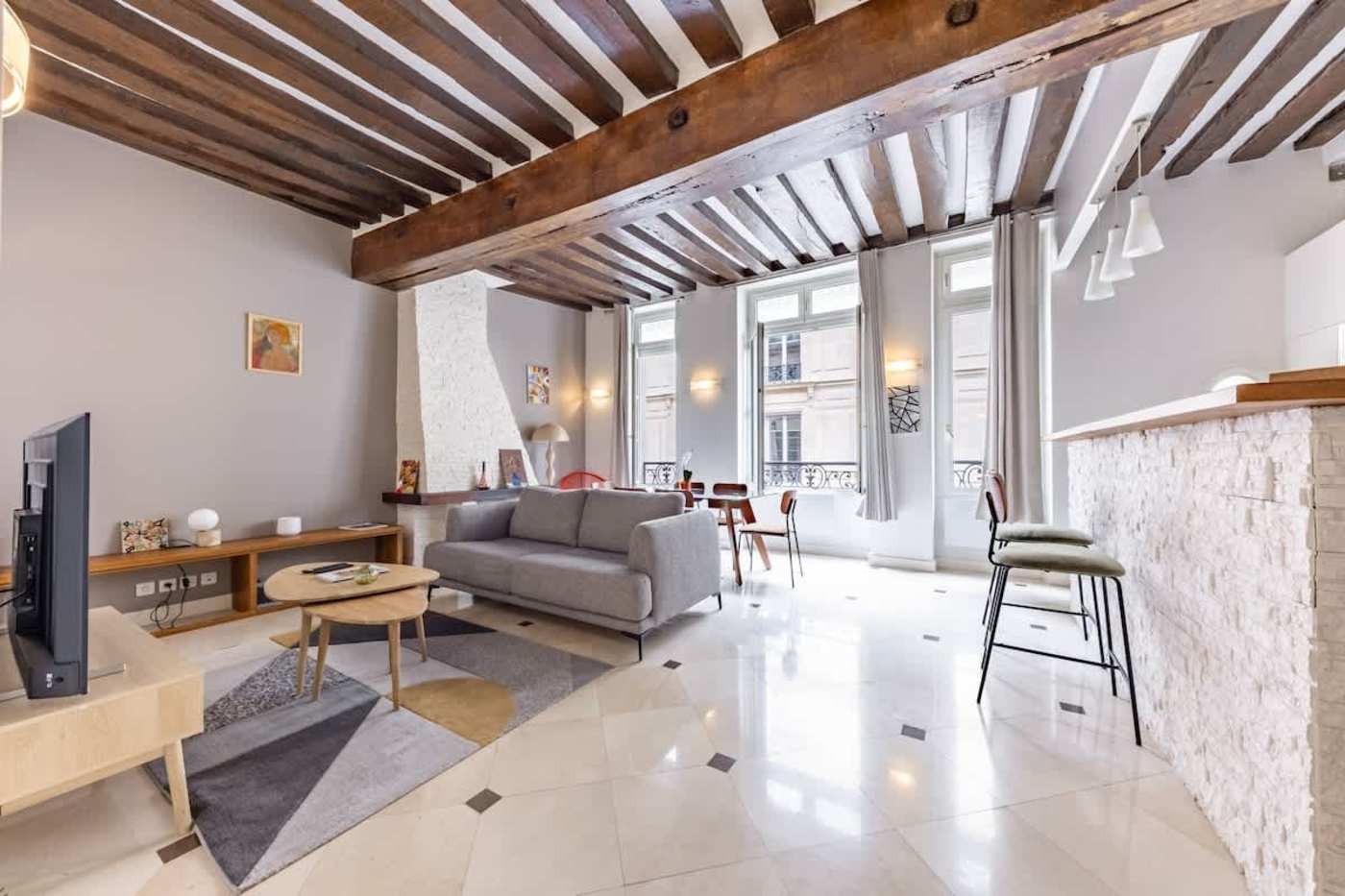
But the 5th is no museum piece. It is a living, working, reading, arguing neighbourhood, a place where Paris is experienced with the mind as much as the eye. Behind the grand monuments wind medieval lanes, mythical bookshops, market streets that smell of roasting coffee and ripe cheese, and quiet Seine quays where booksellers still trade from green boxes bolted to the parapet.
This guide goes beyond the obvious to reveal the 5th as residents know it, and to explain why it makes such a rewarding base for a refined stay in Paris.
Character & atmosphere
The 5th arrondissement is defined by intellect, antiquity and an unhurried bohemian elegance. It is the historic heart of the Left Bank, where the University of Paris was founded in the twelfth century, and where Latin was once the common tongue of students, giving the quarter its enduring name.
The texture here is different from the polished avenues of the Right Bank. Streets are narrow and slightly crooked. Bookshops outnumber boutiques. Cafés are full of people reading rather than being seen. The architecture spans the entire span of Paris: Roman ruins, a medieval abbey church, the neoclassical dome of the Panthéon, Haussmannian apartment blocks, and the great glass-and-iron halls of the Jardin des Plantes.
There is also genuine variety within the arrondissement. Around the Panthéon and the Sorbonne, the mood is grand and scholarly. Down the hill, rue Mouffetard is one of the oldest market streets in Paris, lively and convivial. Along the Seine, the quays are romantic and hushed, with Notre-Dame rising just across the water. At the eastern edge, the Jardin des Plantes and the Grande Mosquée de Paris bring botanical calm and a touch of the exotic.
If the 8th arrondissement is the Paris of haute couture and palace hotels, and the neighbouring 6th is the Paris of literary cafés and designer galleries, the 5th is the Paris of ideas: older, more soulful, and far less concerned with appearances. It rewards the traveller who likes to wander, read, linger over lunch and discover the city slowly.
Where to stay in the Latin Quarter
For a discerning visitor, the 5th offers something the grand hotel districts cannot: the feeling of actually living in historic Paris. This is a neighbourhood of residents, not just tourists, and the best way to experience it is from a home of your own.
Luxury apartments in the 5th arrondissement let you wake in a quiet Haussmannian building, walk down for a croissant and the newspaper, and return in the evening to a space that is genuinely yours, with room to breathe, a proper kitchen, and the rhythms of a true Parisian household. For couples drawn to romance and culture, for families who want space and a calmer base, and for repeat visitors who already know they prefer the Left Bank, an apartment is simply the more elegant way to stay.
When deciding where to stay in the Latin Quarter, the micro-location matters. The streets around the Panthéon and rue Saint-Jacques are central, grand and walkable to everything. The blocks near the Seine, close to Shakespeare and Company and the quays, offer the most romantic outlook. Rue Mouffetard and the Place de la Contrescarpe put you in the middle of market-day energy and the city's best informal dining. The Jardin des Plantes and Censier end is quieter and greener, ideal for families.
Whichever corner appeals, the best 5th arrondissement for luxury is the one that matches your trip, and our team can help you choose. Browse our full collection of apartments → to see what is available, and read our journal for more neighbourhood guides and insider recommendations.
Dining & cafés
The 5th arrondissement spans the full range of Parisian dining, from a sixteenth-century gastronomic institution to the kind of bistro that has changed its menu twice in fifty years. What unites the good addresses here is sincerity: this is not a neighbourhood for spectacle, but for substance.
The grand table
La Tour d'Argent is the legend of the arrondissement: an institution since 1582 and one of the most storied restaurants in the world. Holding a Michelin star, it is famous for its spectacular views over Notre-Dame, its legendary pressed duck (the canard au sang, served to numbered diners for well over a century), and a near-mythical cellar holding some 300,000 bottles. Dining here is less a meal than a piece of living history, and reservations should be made well in advance.The quintessential bistro
Chez René is everything a Parisian bistro should be: an authentic Lyonnaise table running since 1957. Expect bœuf bourguignon, pike quenelles and a carafe of Beaujolais served with unfussy warmth. It is the kind of place that reminds you why the bistro is one of France's great cultural inventions. Come hungry, stay late, and order the classics.Cafés and the sweet life
Shakespeare and Company Café sits beside the most famous English-language bookshop in Paris, directly facing Notre-Dame across the river. Order scones and a pot of tea, settle in with a book, and watch the Seine drift by: it is one of the most quietly perfect literary moments the city offers.For something exceptional in the patisserie register, Carl Marletti on rue Censier is a destination in its own right. The vanilla millefeuille is widely considered the finest in Paris, and the fruit tarts and éclairs are flawless. It is the ideal stop to assemble a picnic for the Jardin des Plantes or a sweet to carry home.
Beyond these anchors, the 5th rewards exploration. Rue Mouffetard and its surrounding lanes are lined with cheesemongers, bakeries, wine merchants, fromageries and little restaurants, the raw material for the best impromptu dinners of your stay, especially if your apartment has a kitchen worth using.
Culture & landmarks
Few neighbourhoods in the world pack as much history into so few streets. The 5th is, quite simply, where Paris began.
The Panthéon crowns the Montagne Sainte-Geneviève. Originally built as a church, it became the secular mausoleum of the nation's heroes: Voltaire, Rousseau, Victor Hugo, Marie Curie and many more rest in its crypt. Beneath the dome hangs a reconstruction of Foucault's pendulum, the experiment that first demonstrated the rotation of the Earth. The rooftop, open seasonally, offers one of the most beautiful panoramas in Paris. The Sorbonne has anchored learning here since 1257 and gives the Latin Quarter its scholarly soul. Its courtyards and the surrounding student streets hum with an intellectual energy that has barely changed in centuries. The Jardin des Plantes is the city's principal botanical garden, founded in the seventeenth century as the royal medicinal garden. Today it combines formal gardens, vast glasshouses, a small historic zoo and the Galleries of the National Museum of Natural History, including the breathtaking Grande Galerie de l'Évolution. It is one of the loveliest places in Paris to spend a slow morning, and a gift for families. The Arènes de Lutèce are among the most surprising sights in the city: a Roman amphitheatre from the first or second century, hidden behind apartment buildings, where neighbourhood children now play football where gladiators once fought. It is free, easy to miss, and unforgettable once found. Shakespeare and Company, the famous bookshop on the quay facing Notre-Dame, is a pilgrimage site for readers worldwide. Its creaking floors, reading nooks and resident "tumbleweeds" carry on a literary tradition that links Paris to Joyce, Hemingway and the Lost Generation.Add to these the medieval Saint-Étienne-du-Mont church beside the Panthéon, the Roman baths and museum at Cluny (the national museum of the Middle Ages), and the serene Grande Mosquée de Paris with its tiled courtyard and tearoom, and the 5th delivers more genuine culture per street than almost anywhere in the city.
Markets, books & shopping
The 5th is not a fashion-shopping arrondissement in the manner of the 8th, and that is part of its charm. What it offers instead is the kind of shopping that feeds the senses and the mind.
- · Rue Mouffetard is one of the oldest market streets in Paris, sloping down from the Place de la Contrescarpe. Cheesemongers, bakers, greengrocers, wine merchants and traiteurs make it the place to shop for a Parisian dinner at home.
- · The bouquinistes are the green-box booksellers along the Seine quays, trading second-hand books, prints and posters as they have for generations. A UNESCO-recognised part of the riverside landscape.
- · Independent bookshops: Shakespeare and Company is the famous one, but the 5th is dense with specialist and antiquarian bookshops that reflect its university heart.
- · Specialist food and gifts: patisseries such as Carl Marletti, plus tea, spice and chocolate shops scattered through the medieval lanes.
Bars & evenings
Evenings in the 5th lean intimate and characterful rather than glamorous. The student presence keeps the area lively and unpretentious well into the night.
Le Piano Vache is the cult Latin Quarter bar, going strong since 1969. Its walls are papered with decades of concert posters, the music is loud and live, and the atmosphere is authentically underground, exactly the kind of place the neighbourhood does best. For a quieter evening, the cafés along the Seine and around the Panthéon offer a glass of wine with a view, while the tearoom of the Grande Mosquée serves mint tea and pastries in a setting unlike anywhere else in Paris.Getting around
The 5th is exceptionally well connected and supremely walkable: most of its highlights sit within a fifteen-minute stroll of one another.
- · Métro Line 10: Cluny-La Sorbonne, Maubert-Mutualité, Cardinal Lemoine, Jussieu
- · Métro Line 7: Place Monge, Censier-Daubenton, Jussieu (serving rue Mouffetard and the Jardin des Plantes)
- · RER B: Luxembourg, Saint-Michel-Notre-Dame (direct to the airports and the city centre)
Frequently asked questions
Is the 5th arrondissement a good area to stay in Paris? Yes, the 5th is one of the best areas in Paris for a first visit or a culture-focused trip. It is central, safe, beautiful and steeped in history, within walking distance of Notre-Dame, the Luxembourg Garden and the Seine, while feeling more like a real neighbourhood than the tourist-heavy districts. What is the 5th arrondissement known for? The 5th is known as the Latin Quarter, the historic centre of Parisian student and intellectual life. Its landmarks include the Panthéon, the Sorbonne, the Jardin des Plantes, the Roman Arènes de Lutèce, rue Mouffetard and the Shakespeare and Company bookshop. How is the 5th different from the 6th or the 8th? The 5th is the Paris of ideas: older, more bohemian and intellectual. The neighbouring 6th (Saint-Germain-des-Prés) is more polished and literary, with designer boutiques and the Luxembourg Garden. The 8th, on the Right Bank, is the Paris of haute couture, palace hotels and Michelin-starred dining. The 5th trades glamour for history and atmosphere. Is the 5th good for families? Very much so. The Jardin des Plantes with its glasshouses, small zoo and natural history museum is one of the best family destinations in Paris, and the quieter, greener streets at the eastern edge of the arrondissement make a calm base with plenty of space. How many days should I spend in the 5th? You could see the headline sights in a day, but the 5th rewards a longer, slower stay. With three or four days you can take in the museums, browse the bookshops, shop rue Mouffetard, and enjoy the neighbourhood the way residents do, which is the whole point of staying here.Best for
- · Couples: Seine-side dinners, the romance of La Tour d'Argent's Notre-Dame view, and quiet evening walks along the quays.
- · Families: the Jardin des Plantes, the natural history galleries, the hidden Roman amphitheatre, and apartments with the space to spread out.
- · Culture lovers: the Panthéon, the Sorbonne, the Cluny medieval museum and a density of history unmatched in the city.
- · Book and food shoppers: the bouquinistes, independent bookshops, and the market stalls of rue Mouffetard.
- · First-time visitors: central, walkable, beautiful and authentically Parisian, with Notre-Dame and the Latin Quarter on your doorstep.
Stay in the 5th arrondissement
Ready to make this neighbourhood your own? Browse our luxury apartments in the 5th arrondissement, or explore the full Aircube collection.